Made to your specification

Patterned, textured and obscured glass

Explore 20 Pilkington Texture designs, eight Oriel etched designs and three plain obscured finishes. See the pattern, compare appearances and configure a panel for your quote basket.

Product guide

Privacy glass you can choose by appearance

Choose how private you want the space to feel, then confirm the pattern, direction and processing with the supplier.

Reeded translucent glass in a kitchen cabinet door.
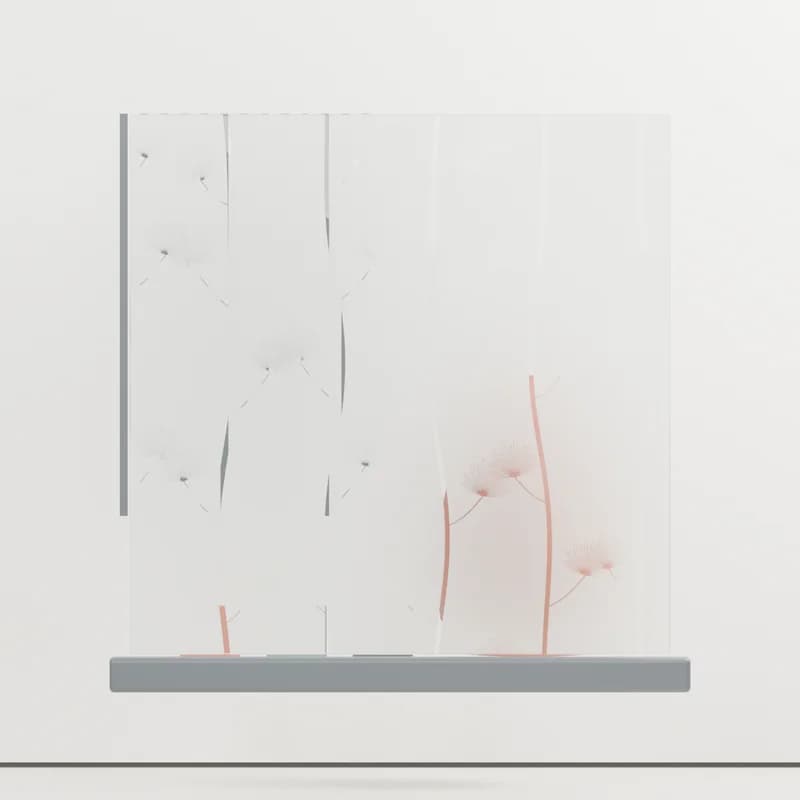
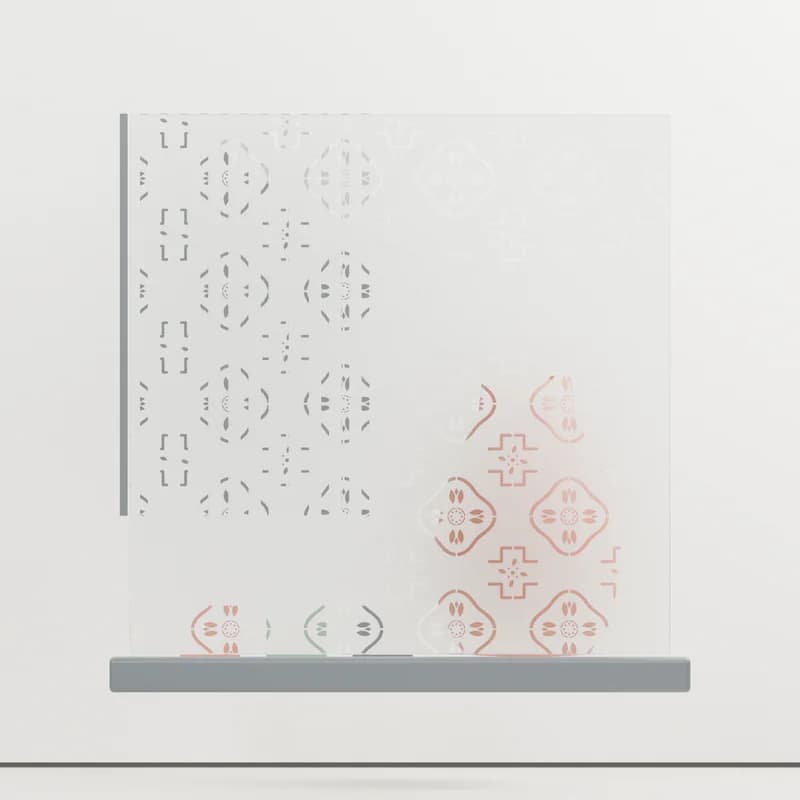
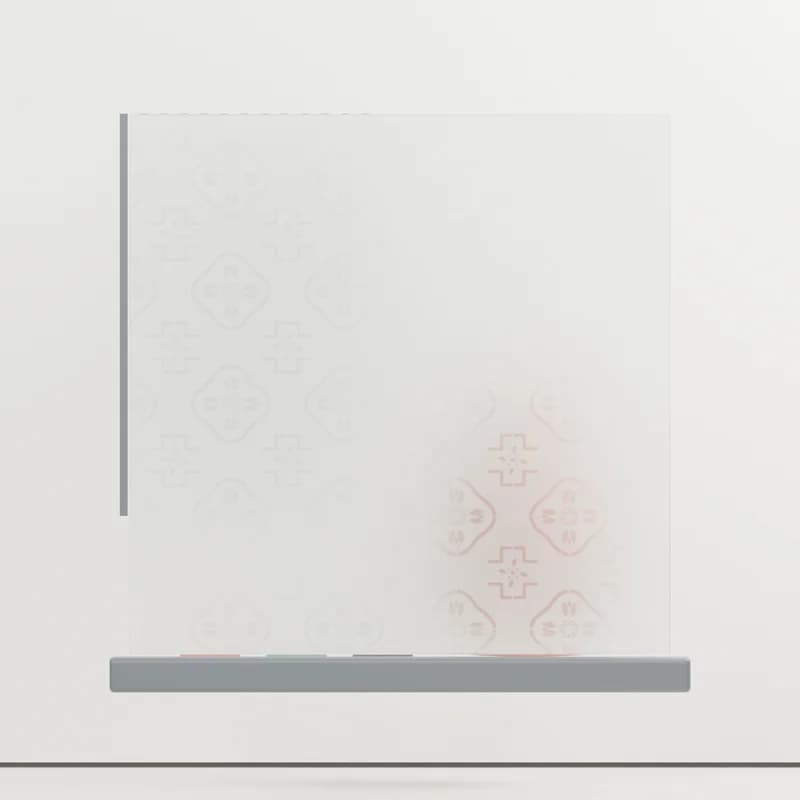
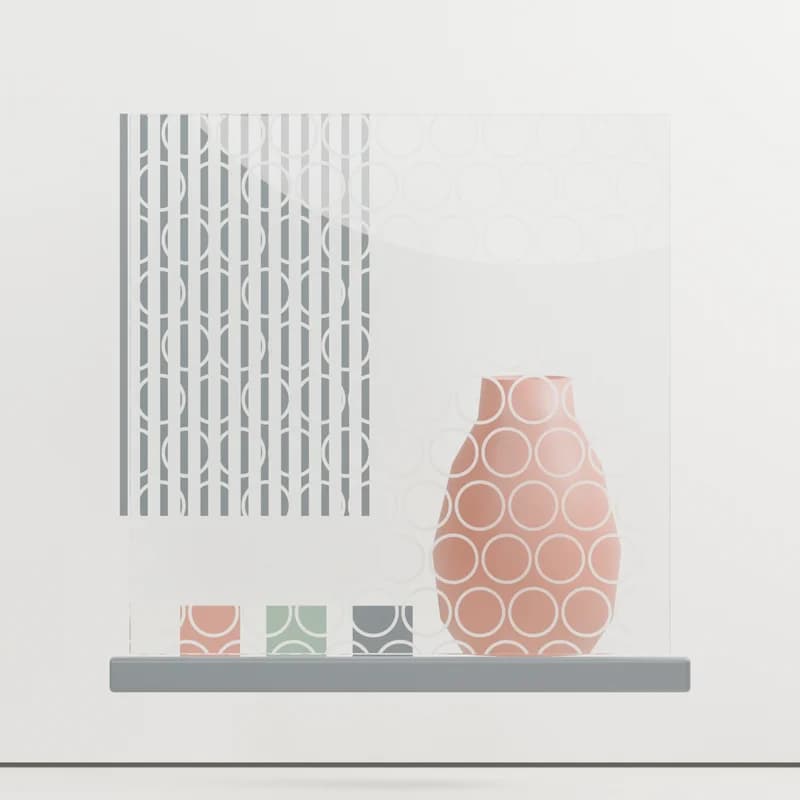
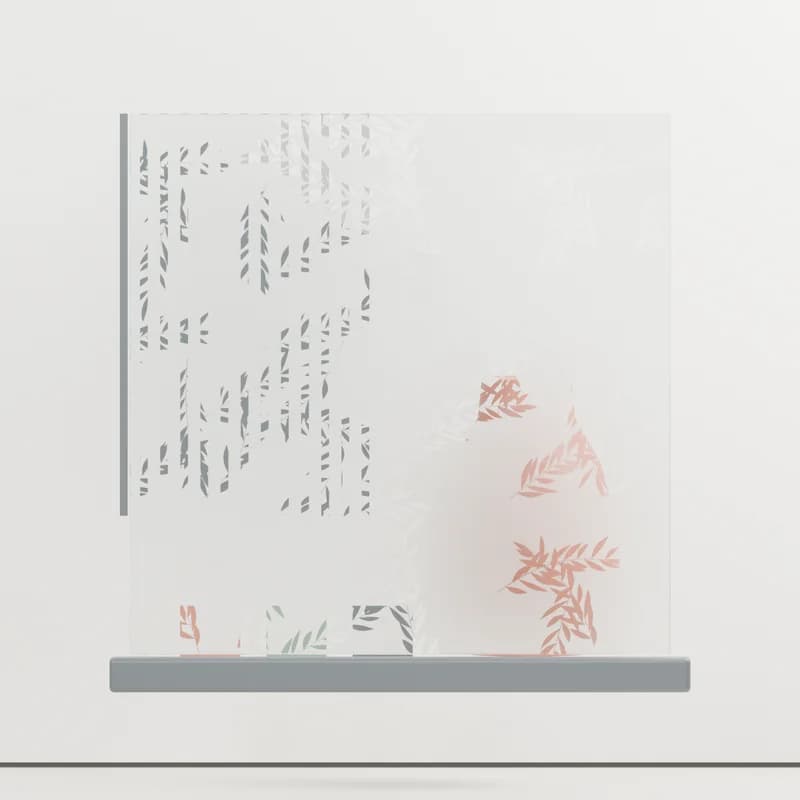
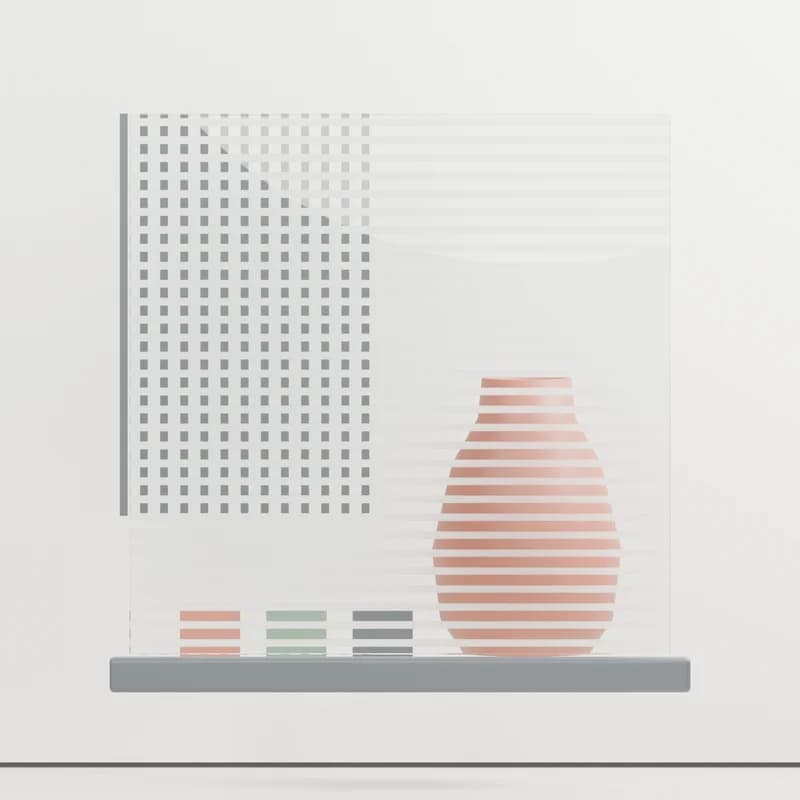
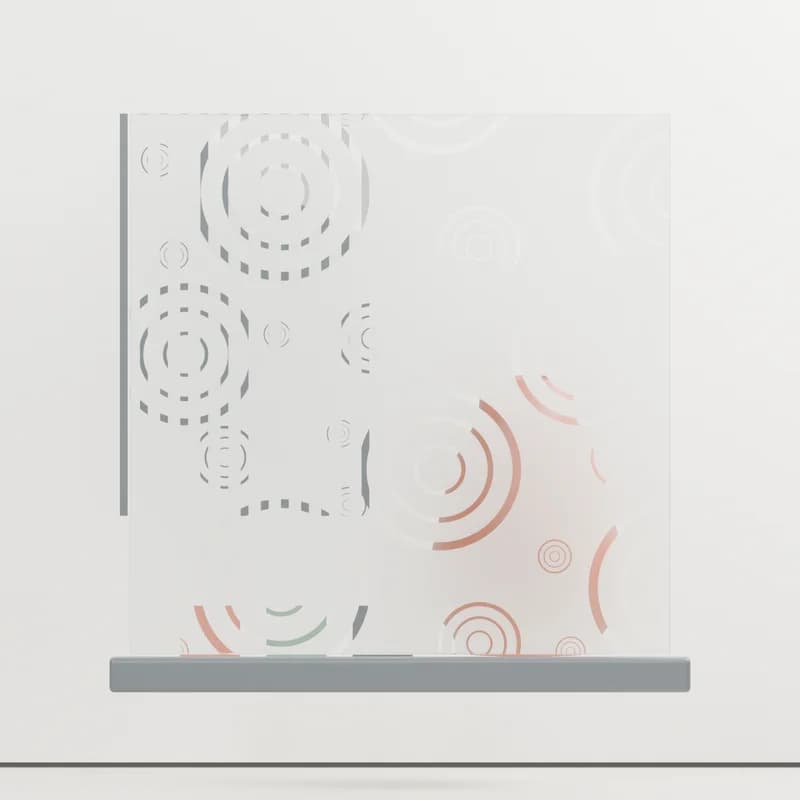
AI-generated illustration. Appearance varies by specification; this is not an exact product sample.

Patterned glass, textured glass, reeded glass and obscured privacy glazing

Patterned and textured glass changes how a view is seen while allowing light through. Reeded, decorative rolled, etched and satin glass have different surfaces and visual effects. Compare the actual pattern and a physical sample rather than relying on one screen image.

Privacy depends on the glass, lighting and the distance between a person and the pane. A decorative pattern is not a blackout product. Pattern direction, the face of the glass and the alignment between neighbouring panels can noticeably change the finished appearance.

A pattern name alone does not specify thickness, treatment or safety performance. Record whether the panel is for a door, bathroom, cabinet, partition or sealed unit. Toughening and laminating options must be checked for the exact design and thickness.

Privacy glass you can choose by appearance for your project

Common enquiry briefs include bathroom window, door panel, partition, match an existing pattern. Describe the intended use and the supporting construction so the supplier can assess the complete specification. Different applications can need different glass processing, fixings and installation details.

Compare a real sample

Light, viewing distance and the object behind the glass affect the appearance of a privacy pattern.

Keep adjacent panels aligned

Directional designs need the orientation and patterned face recorded as part of the order.

What to include in a made-to-measure quote

Compare quotes using the same dimensions, quantities, finish, glass construction and installation scope. If you have a drawing or an existing specification, include its reference and identify which details still need advice.

  • Privacy preference: Manufacturer privacy scales describe obscuration, not guaranteed visual privacy in every lighting condition.
  • Design: Use the visual range to choose a named pattern, then add it to the notes.
  • Safety processing: Available processing and thicknesses depend on the specific product.
  • Pattern orientation: Choose the direction against the product reference image.

Cut-to-size dimensions, edges and fabrication

Measure the finished glass only when the fitting allowances and support details are known. Otherwise identify the opening or existing panel you measured and request a survey. Give each different size its own basket line, with its quantity and drawing reference.

Holes, cut-outs, shaped edges and interfaces with hardware should be settled before manufacture. The finished glass construction and any coatings must suit the intended environment. A screen preview or concept photograph cannot replace a sample, survey or product-specific installation drawing.

Supplier checks before manufacture

  • Confirm the exact pattern and face direction before manufacture.
  • Patterned appearance alone does not establish impact or fire performance.

Requesting comparable glass quotes

Save the choices you know and ask for help with the rest. The quote basket records a specification request rather than placing a manufacturing order. A firm quote needs an agreed final build, dimensions, delivery arrangements and any installation or design work.

When comparing proposals, check that glass-only supply and supply with fitting cover the same scope. Ask who provides measurement, drawings, supports, compatible hardware, lifting access and finishing work. Keep the final approved specification with the order.

Sources and further reading

31 of 31 products

Pilkington privacy: 1 least obscure → 5 most obscure
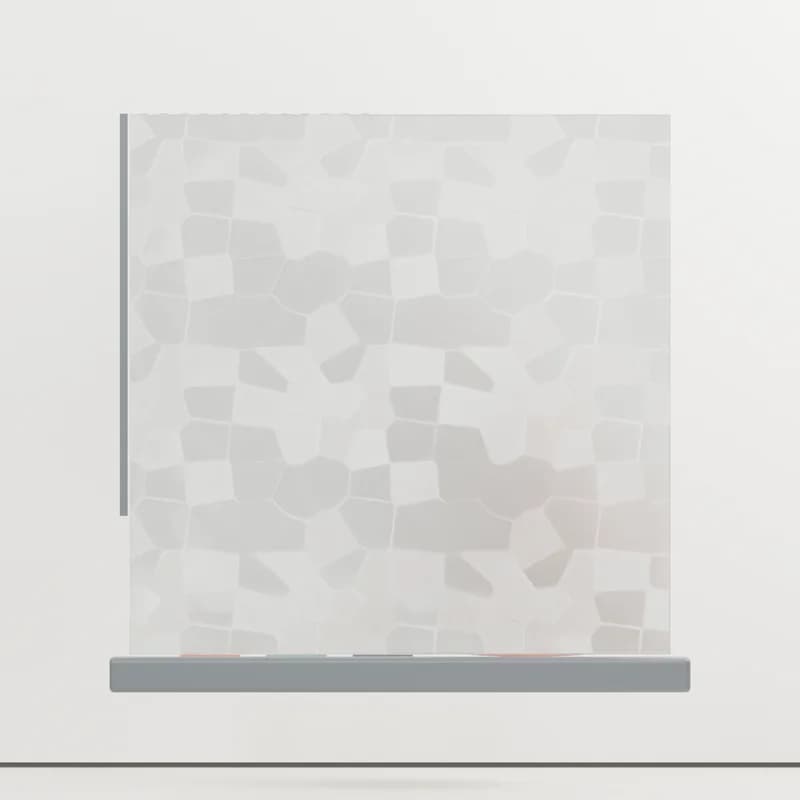
Pilkington Texture

Cassini illustrative front view

Cassini

Privacy 5

Intersecting mosaic cells with fine internal ridges

4 / 6 mm documented

View product & configure →
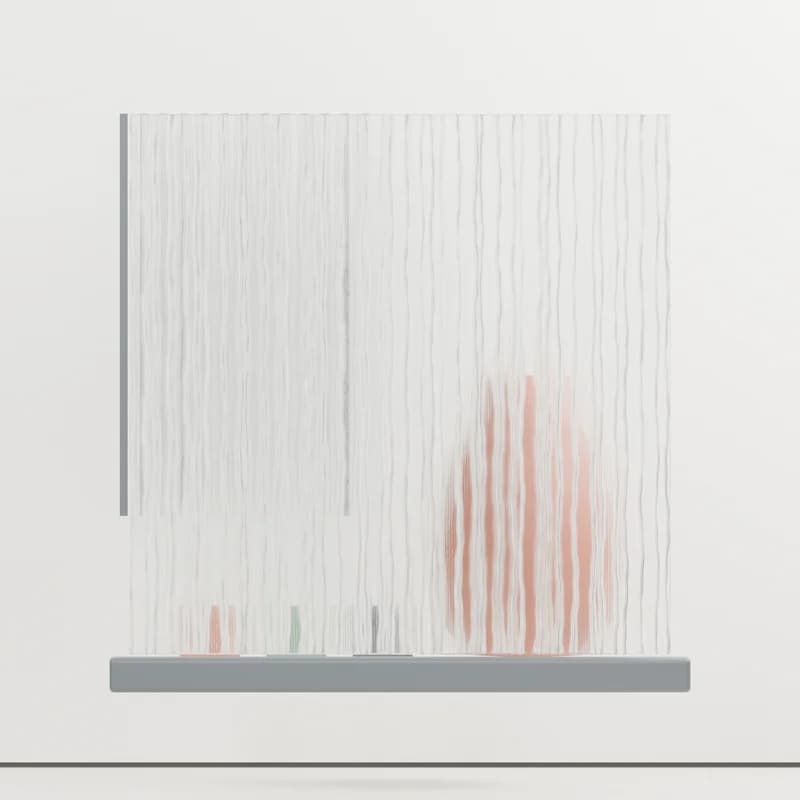
Charcoal Sticks illustrative front view

Charcoal Sticks

Privacy 4

Slender, irregular vertical strokes

4 mm documented

View product & configure →
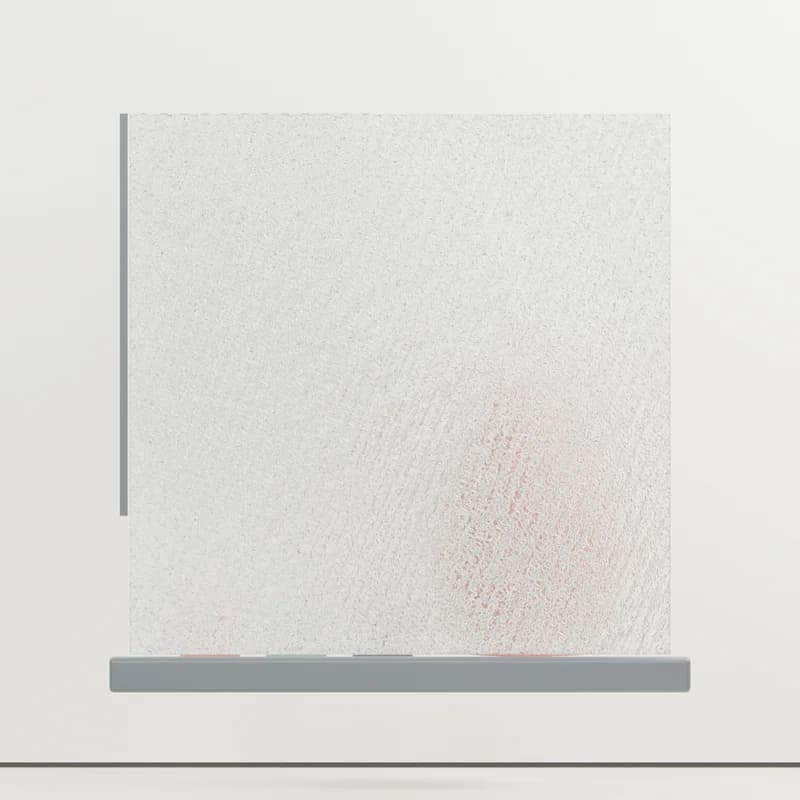
Contora illustrative front view

Contora

Privacy 4

Dense, rounded pebble-like contours

4 mm documented

View product & configure →
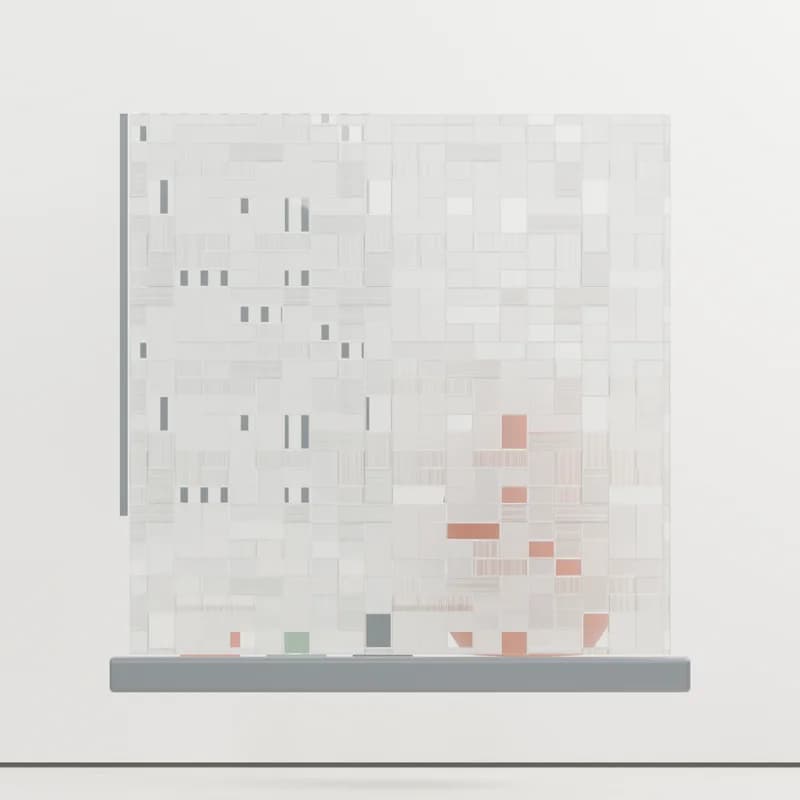
Digital illustrative front view

Digital

Privacy 3

Small geometric blocks and pixel-like detail

4 mm documented

View product & configure →
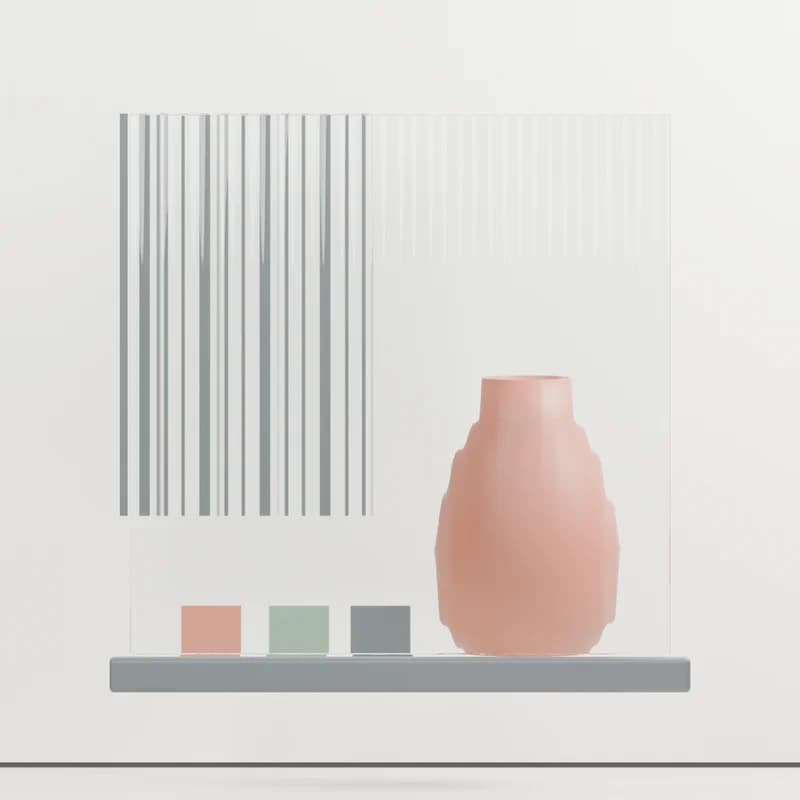
Reeded illustrative front view

Reeded

Privacy 2

Parallel vertical reeds

4 / 6 mm documented

View product & configure →
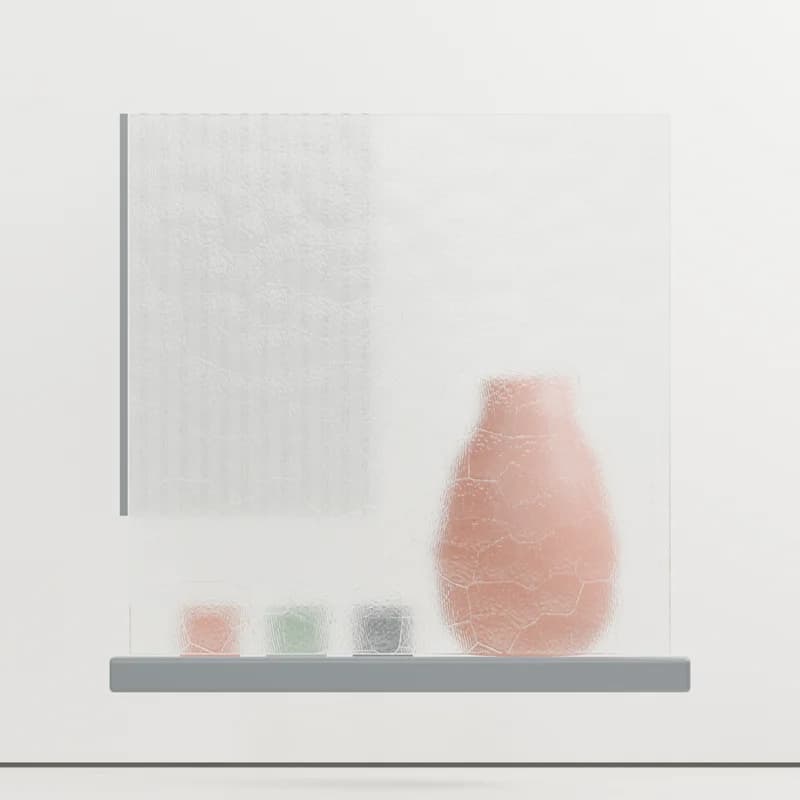
Arctic illustrative front view

Arctic

Privacy 5

Dense crystalline texture

4 mm documented

View product & configure →
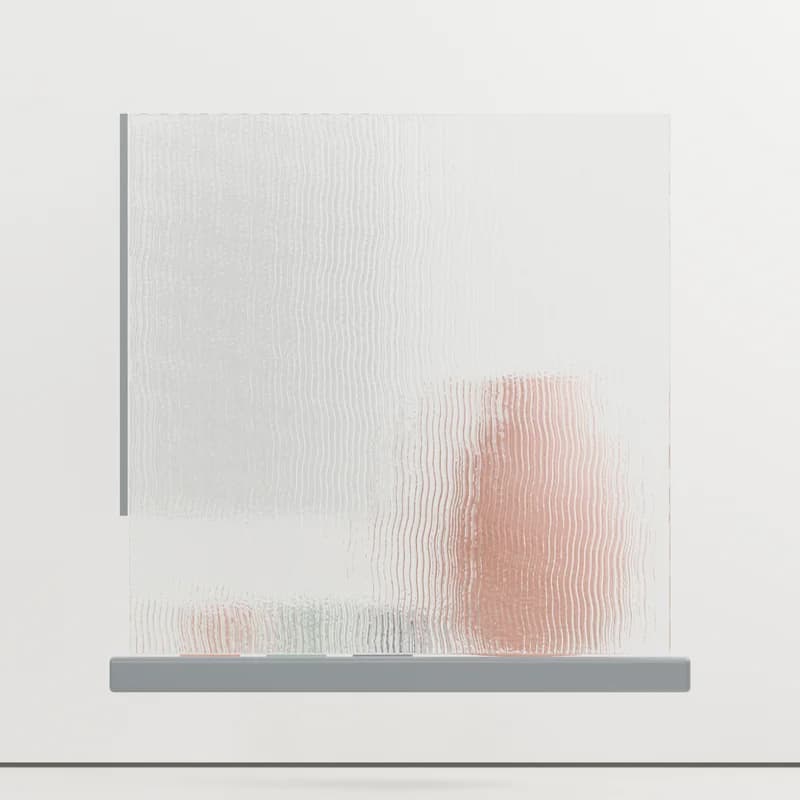
Cotswold illustrative front view

Cotswold

Privacy 5

Strong vertical, irregular ridges

4 / 6 mm documented

View product & configure →
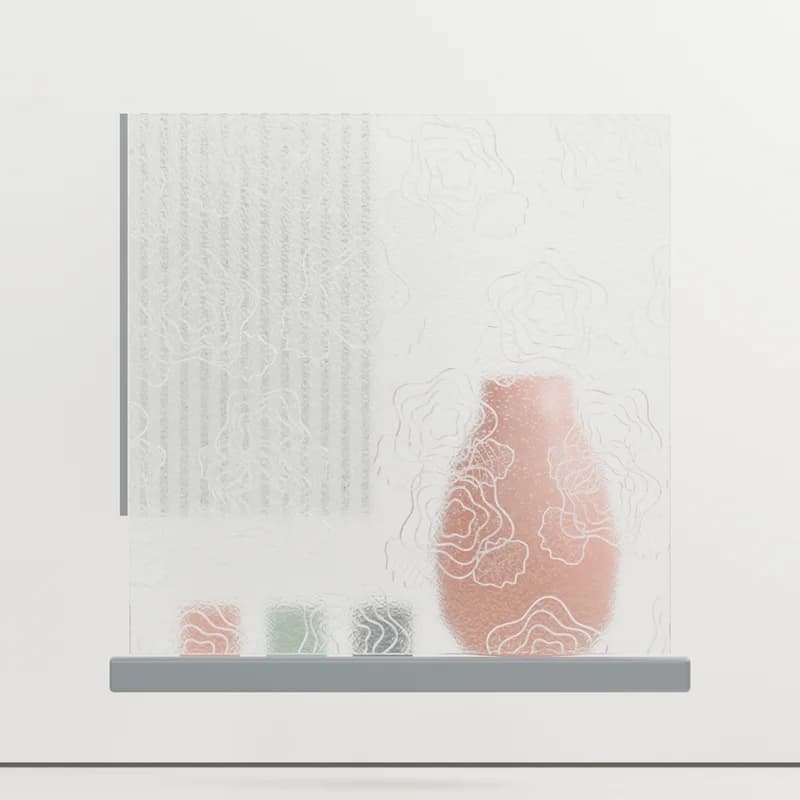
Florielle illustrative front view

Florielle

Privacy 4

Flowing botanical stems and flowers

4 mm documented

View product & configure →
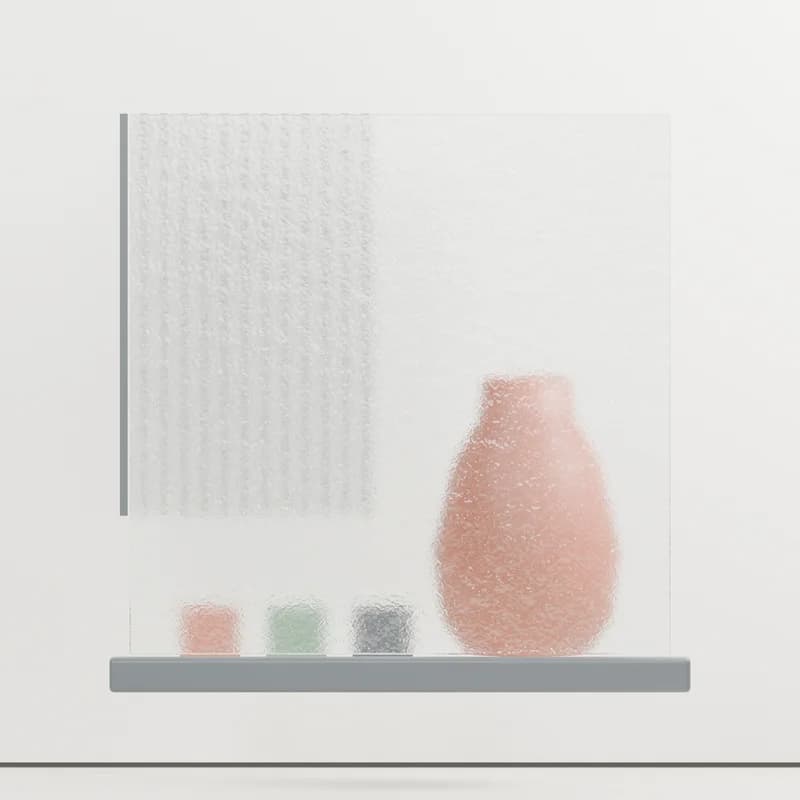
Minster illustrative front view

Minster

Privacy 2

Fine irregular hammered detail

4 / 6 mm documented

View product & configure →
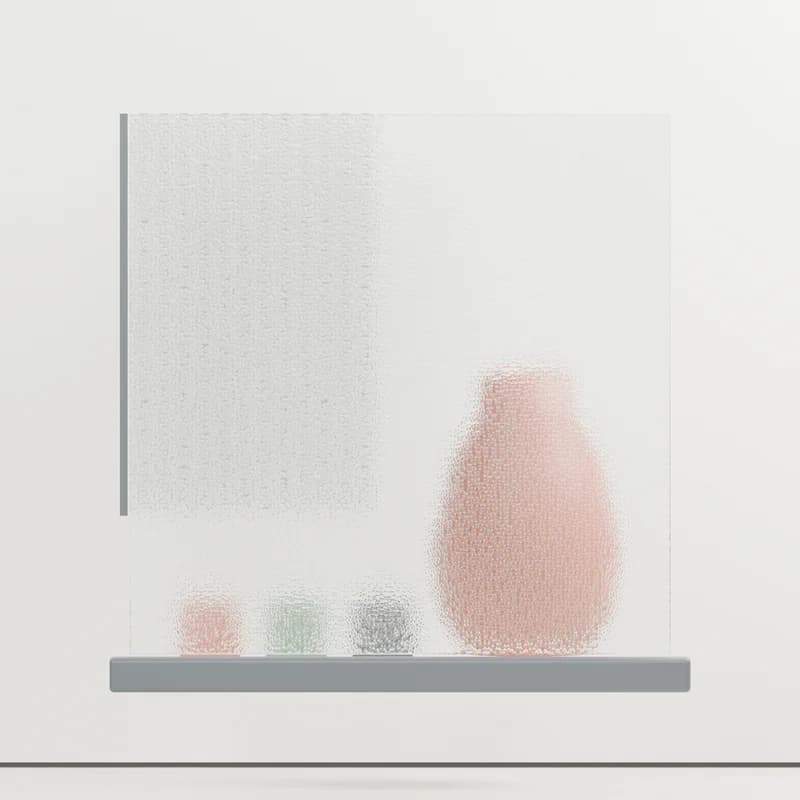
Stippolyte illustrative front view

Stippolyte

Privacy 4

Closely spaced stippled surface

3 / 4 / 6 / 10 mm documented

View product & configure →
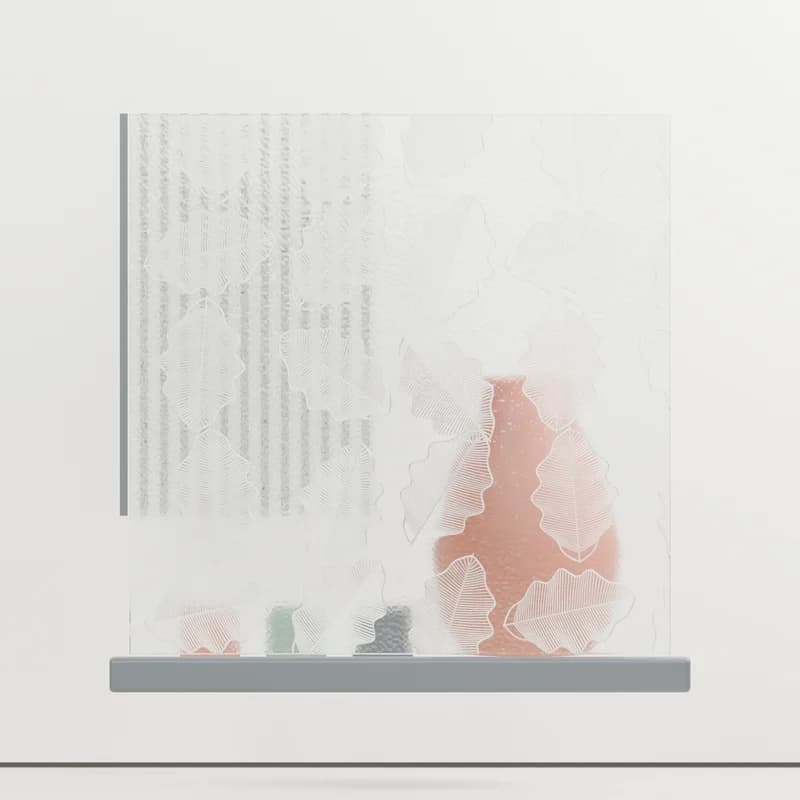
Sycamore illustrative front view

Sycamore

Privacy 2

Large leaves and branching stems

3 / 4 / 6 mm documented

View product & configure →
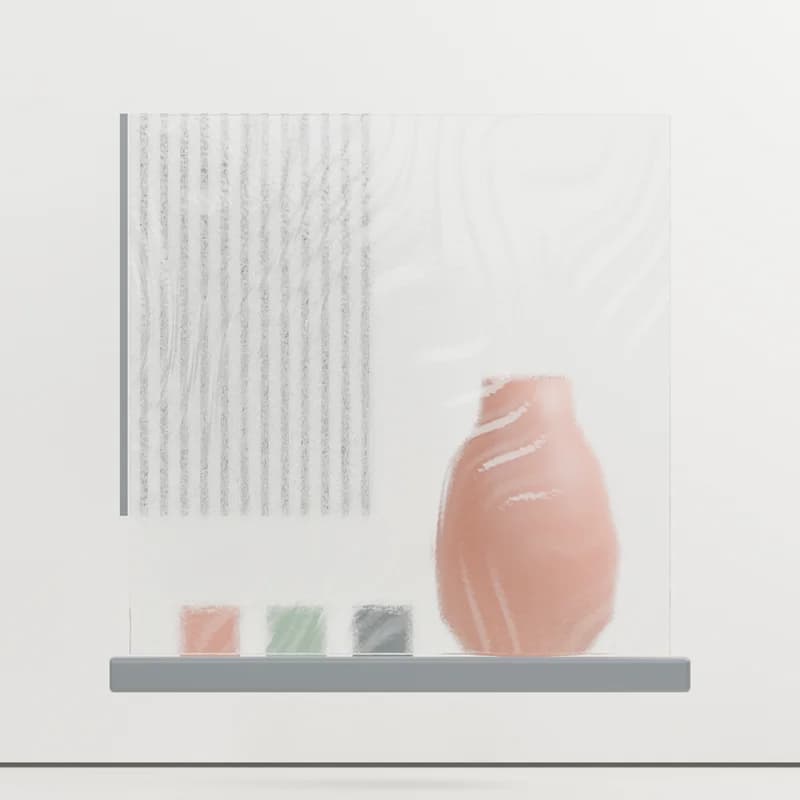
Taffeta illustrative front view

Taffeta

Privacy 3

Fine fabric-like cross texture

4 mm documented

View product & configure →
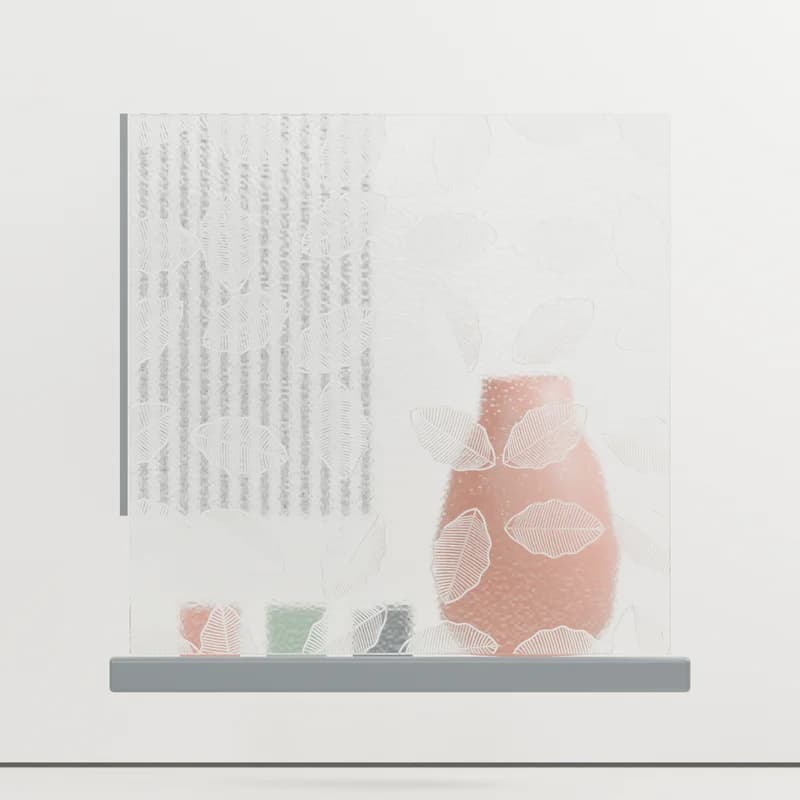
Autumn illustrative front view

Autumn

Privacy 3

Leaves in a flowing repeat

4 mm documented

View product & configure →
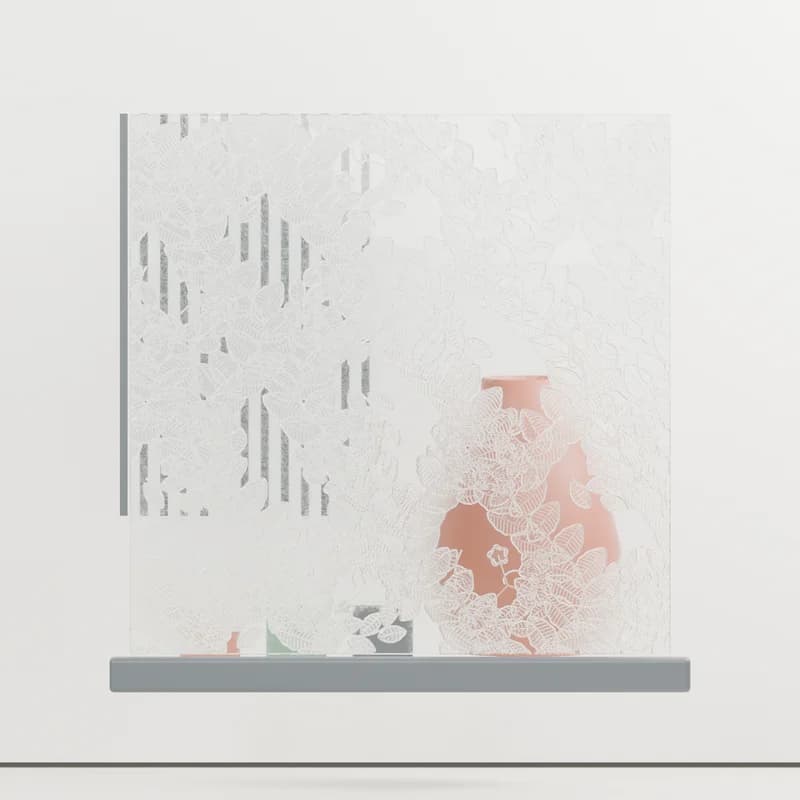
Chantilly illustrative front view

Chantilly

Privacy 2

Dense fern-like lace and curling floral detail

4 mm documented

View product & configure →
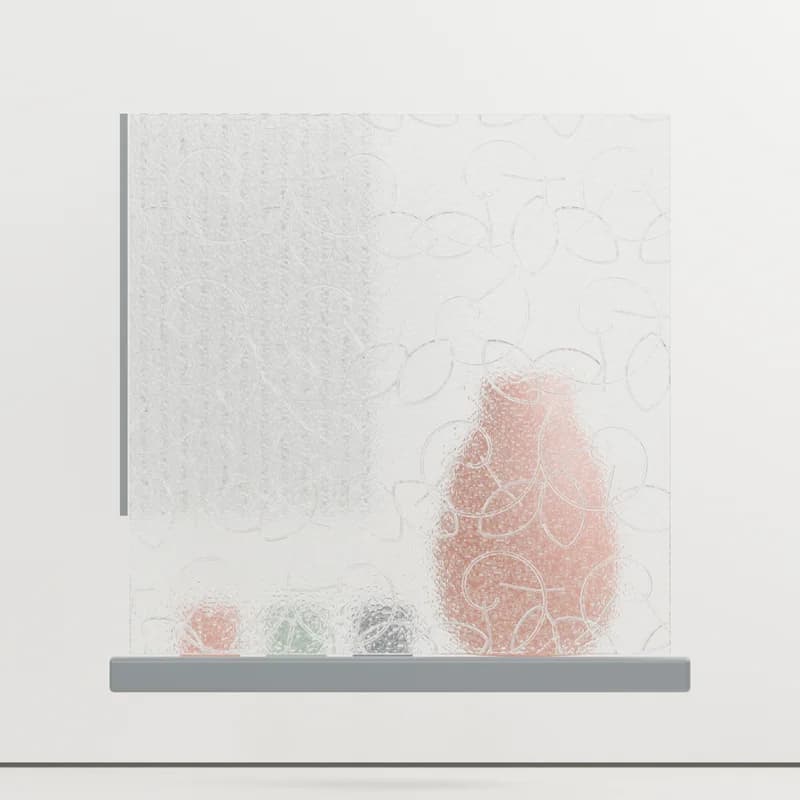
Everglade illustrative front view

Everglade

Privacy 5

Dense foliage-like surface

4 mm documented

View product & configure →
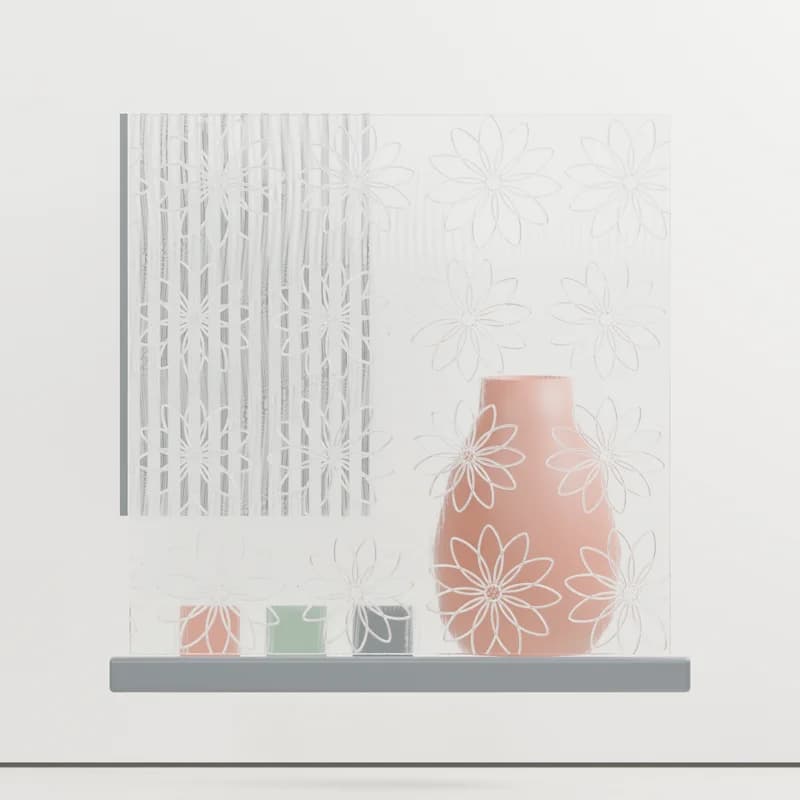
Mayflower illustrative front view

Mayflower

Privacy 4

Repeated floral shapes

4 mm documented

View product & configure →
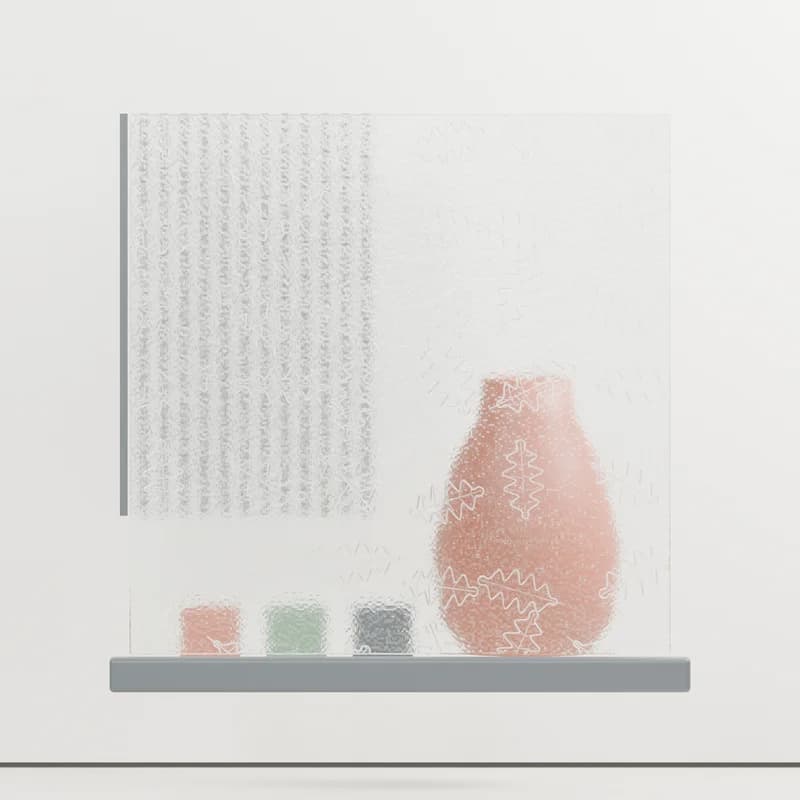
Oak illustrative front view

Oak

Privacy 2

Oak-like leaves and branches

4 mm documented

View product & configure →
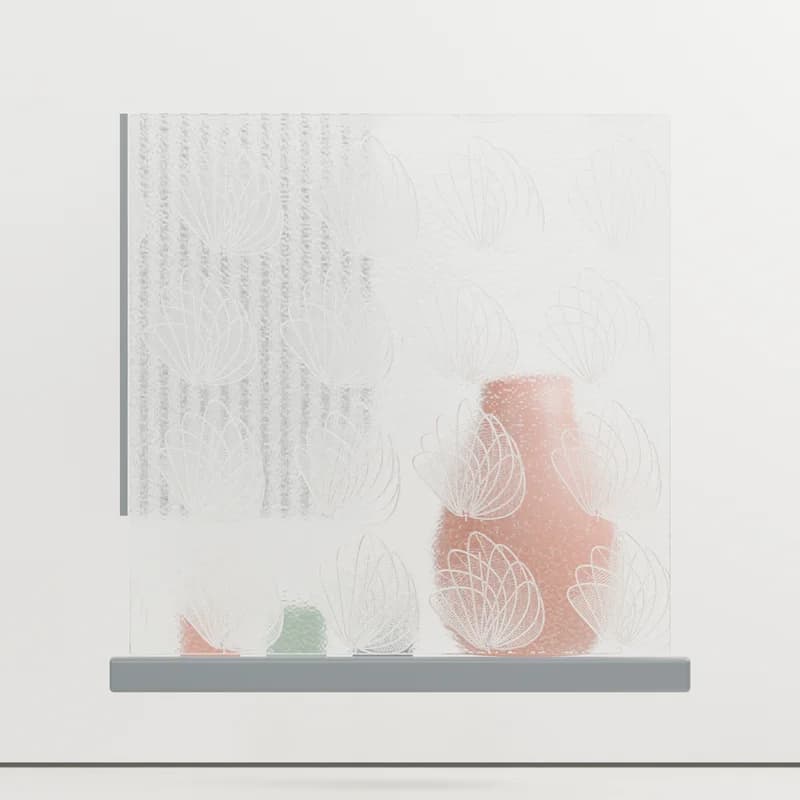
Pelerine illustrative front view

Pelerine

Privacy 4

Small connected fan-like motifs

4 mm documented

View product & configure →
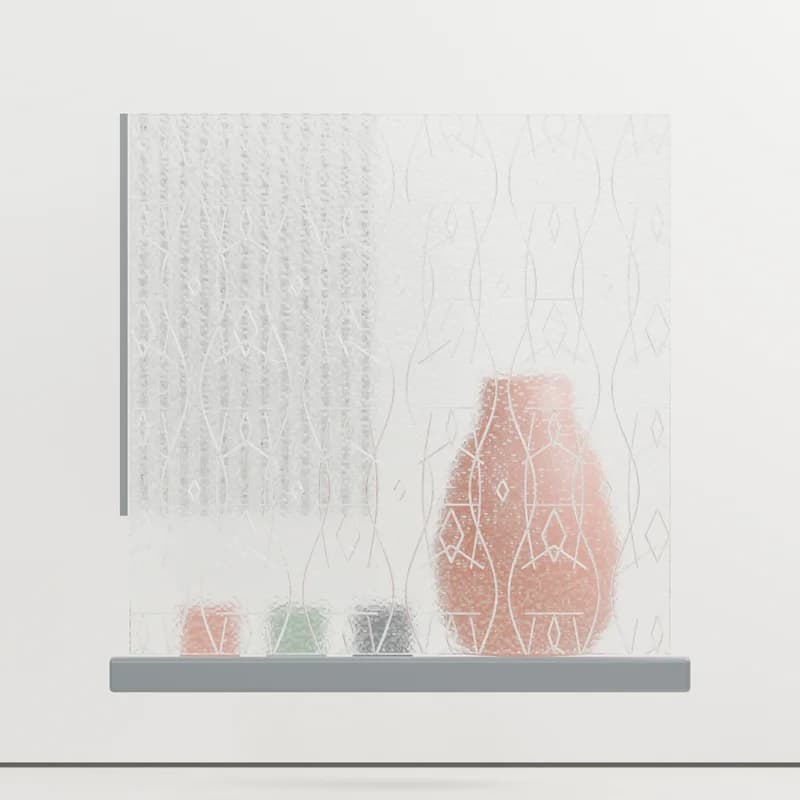
Tribal illustrative front view

Tribal

Privacy 5

Angular, interlocking geometric detail

4 mm documented

View product & configure →
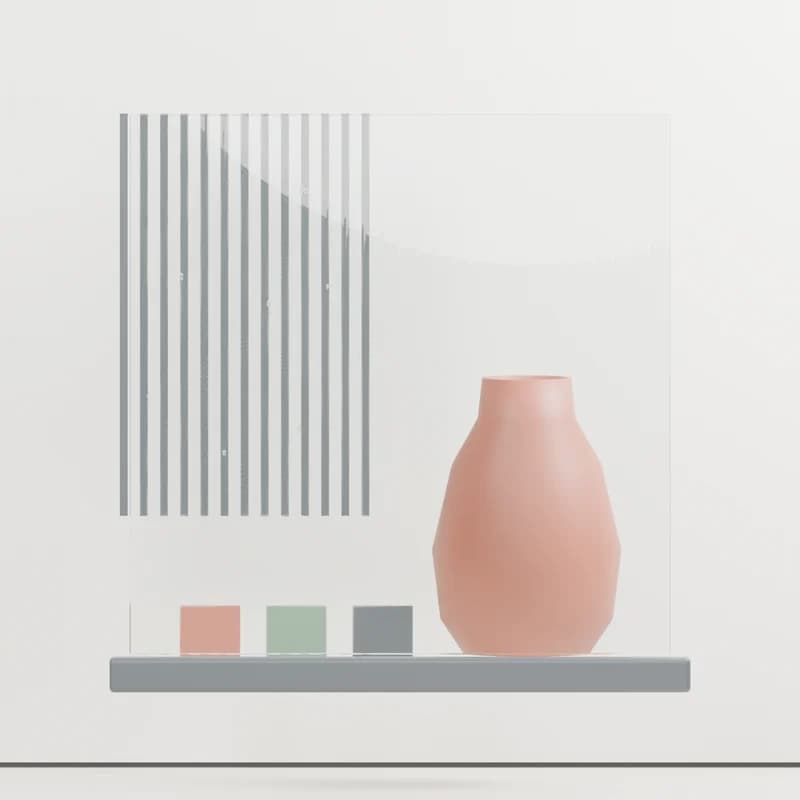
Warwick illustrative front view

Warwick

Privacy 1

Lightly irregular traditional surface

4 mm documented

View product & configure →
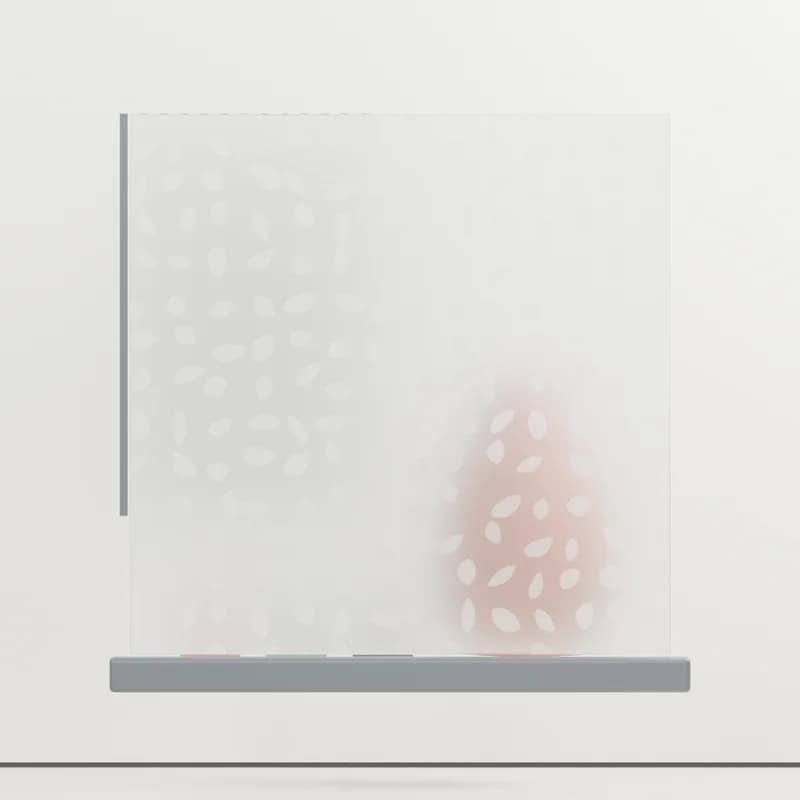
Pilkington Oriel

Plain obscured finishes

Measuring rectangular and shaped panels

Shaped panels are estimated from their smallest enclosing rectangle, with a 1.25× multiplier on the whole panel subtotal before VAT and delivery. The supplier confirms the finished shape, perimeter and fabrication details.

Thicknesses and treatments vary by product. Confirm the intended use, final construction and processing requirements with your supplier.

800 mm overall1000 mm overallSmallest enclosing rectangle
Measure maximum overall width and height in millimetres. For a circle, enter its diameter in both boxes. For an irregular panel, use the smallest rectangle that encloses the whole shape. The illustration is a measurement guide, not a fabrication template.

Before you choose

The decisions that matter

01

Compare a real sample

Light, viewing distance and the object behind the glass affect the appearance of a privacy pattern.

02

Keep adjacent panels aligned

Directional designs need the orientation and patterned face recorded as part of the order.

Ready for a useful supplier quote

  • Confirm the exact pattern and face direction before manufacture.
  • Patterned appearance alone does not establish impact or fire performance.
Choose a pattern in the visual configurator →

Research behind these choices

Reviewed 23 October 2026. Manufacturer guidance and supplier ordering pages inform these design questions. Agree the final construction and project requirements with your supplier.